

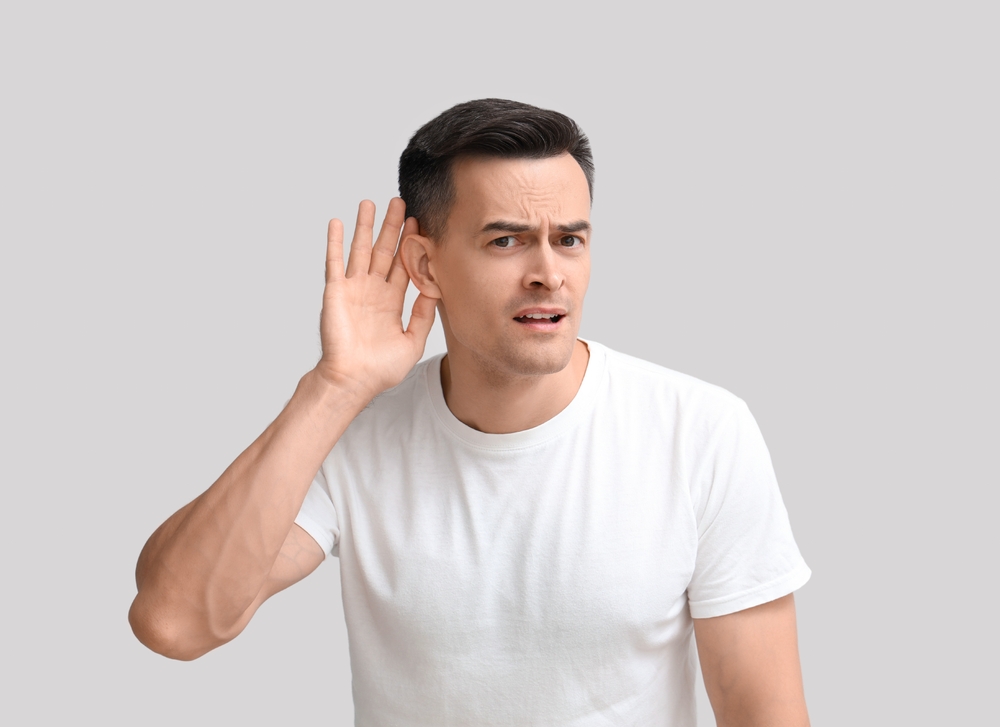
Have you noticed a distinct sense of exhaustion after participating in lengthy verbal interactions?
Many individuals mistakenly categorize this depletion as standard daily stress or emotional burnout. Certainly, for those with introverted tendencies or sensory processing sensitivities, social engagement is naturally taxing. However, in many clinical scenarios, the underlying driver is a neurological phenomenon known as auditory fatigue.
This condition manifests when the brain’s auditory cortex is forced into an overactive state to interpret sound. When sound clarity is compromised, the brain allocates vast cognitive resources to deciphering muffled or distorted phonemes. Over time, this constant strain can leave you feeling mentally exhausted.
It is common for patients to conflate auditory fatigue with general daily exhaustion. However, it can actually be an early sign of hearing difficulties. Undergoing a clinical screening can identify the extent to which hearing loss drives your daily fatigue. If this cycle of exhaustion is recurring, consult an audiologist to investigate the influence of hearing loss.
The Physiological Triggers of Auditory Fatigue
Multiple variables contribute to heightened cognitive demand during sound processing, elevating the risk of auditory fatigue.
Why Untreated Hearing Impairment Causes Fatigue
The absence of treatment for hearing loss is the most frequent driver of this neurological strain.
The inability to capture high-frequency sounds forces the brain to work double-time to interpret the message. This perpetual state of “phonemic guessing” elevates cognitive load and triggers rapid burnout during dialogue.
Noisy Environments
Locations with poor acoustics often act as a tipping point for auditory fatigue. Loud public spaces, corporate boardrooms, and large social gatherings typically feature high levels of competing ambient noise.
When multiple sounds occur at once, the brain must filter through them to identify the important information. This process can create cognitive overload, especially for people with hearing loss (even mild cases).
How Internal Noise Increases Listening Effort
Chronic tinnitus compounds listening effort as the brain struggles to ignore internal noise while focusing on external speech.
Degraded signal quality resulting from hearing loss forces the auditory cortex into an inefficient processing loop.
Common Signs of Auditory Fatigue
Symptoms of auditory fatigue typically bridge the gap between mental clarity and physical stamina. Typical red flags for this condition include:
- Sense of being “wiped out” after a basic discussion
- Reduced focus during professional or social group settings
- Onset of tension headaches following sustained auditory focus
- Feeling “on edge” or frustrated when trying to follow a conversation
- A tendency to “tune out” or physically leave social gatherings
- Requiring immediate sensory deprivation or sleep after socializing
Frequent presentation of these symptoms is a clear sign of neurological auditory over-exertion.
How the Brain Compensates for Hearing Impairment
Clear auditory input allows the brain to interpret sound with virtually no conscious effort. Conversely, hearing loss forces the brain to redirect energy from other executive functions to assist in sound decoding.
In clinical literature, this phenomenon is identified as a surge in cognitive load. It’s where the brain redirects energy from other tasks (like memory and focus) to figure out what someone is saying. The long-term effect of this cognitive shift is the profound “emptiness” felt after socializing. The effort required for even a 10-minute talk becomes disproportionately high.
Using Clinical Evaluations to Uncover Auditory Strain
When fatigue becomes a daily burden, a professional evaluation provides the necessary data for a solution. In the clinic, an expert will assess your ability to detect specific pitches and interpret clear speech. Testing your hearing in a noisy context is vital for identifying the true drivers of your social exhaustion.
A professional assessment confirms the link between your ears and your exhaustion, enabling targeted care. Timely audiological care is the most effective way to halt the progression of auditory fatigue.
How Modern Technology Lowers Cognitive Load
Addressing the underlying impairment is the most direct way to eliminate auditory fatigue.
High-tech hearing aids do the “heavy lifting” for the brain by isolating and clarifying voices in real-time. The brain can finally rest, receiving data that is easy to interpret and understand.
Once auditory strain is reduced, the following areas often show significant improvement:
- General energy levels from morning to evening
- Increased attention span during long discussions
- Feeling relaxed and confident in noisy environments
As the brain stops struggling to hear, the world of sound becomes a source of joy rather than a source of stress.
Is it Time for a Professional Hearing Check?
You should prioritize an audiological consultation if the following conditions apply:
- You feel exhausted after conversations
- Loved ones notice that you frequently require clarification during talk
- You struggle to follow discussions in noisy environments
- You have begun declining invitations because you are tired of the effort to hear
Resolving these issues today ensures a higher standard of living and better cognitive health for the future.
Frequently Asked Questions: Auditory Fatigue
Distinguishing Between Exhaustion and Impairment
Actually, no; auditory fatigue is the cognitive result of the strain, not the physical impairment itself. However, hearing loss is one of the most common causes of auditory fatigue.
Do Hearing Aids Help with Exhaustion?
Yes—current technology is specifically designed to minimize the cognitive cost of communication.
Is This Exhaustion a Permanent Condition?
Most patients find that their energy returns once the listening “gap” is closed with technology.
Reclaiming Your Energy After Social Events
Socializing should replenish you, not leave you feeling drained. If listening leaves you mentally drained, your ears and brain may be working harder than they should.
Schedule your hearing test today by contacting us today. Reclaim your social life and your energy by getting the truth about your auditory health today.