
What Aurora Audiology Says About OTC Hearing Aids

  • Untreated hearing loss affects more than hearing. Research links it to cognitive decline, depression, and a higher risk of accidents.
  • Cost concerns often delay care. Many people put off treatment due to affordability worries.
  • Hearing care is becoming more accessible. Advances in technology, updated legislation, and expanded insurance coverage are making treatment more attainable.
  • New technology offers more options. Recent innovations include more affordable hearing solutions and over-the-counter devices available through retail stores and pharmacies.
  • OTC devices may help some individuals. These options can be appropriate for people with slight to mild hearing loss.
  • You don’t have to navigate hearing loss alone. Even when considering retail or online devices, professional guidance matters.
  • A diagnostic hearing evaluation is the first step. Testing with a licensed audiologist helps identify your specific hearing needs and the cause of hearing loss.
  • Proper fit and programming are essential. Personalized care improves sound clarity, comfort, and long-term success.
  • Local expertise you can trust. We work closely with our Fairbanks Costco and stay informed about online options to help guide you toward the best solution for your lifestyle and goals.
  • We’re here to help. Contact Aurora Audiology to learn more about cost-effective hearing solutions for slight to mild hearing loss. Our team is ready to listen, educate, and support you every step of the way.
Why is a Diagnostic Hearing Test Important?

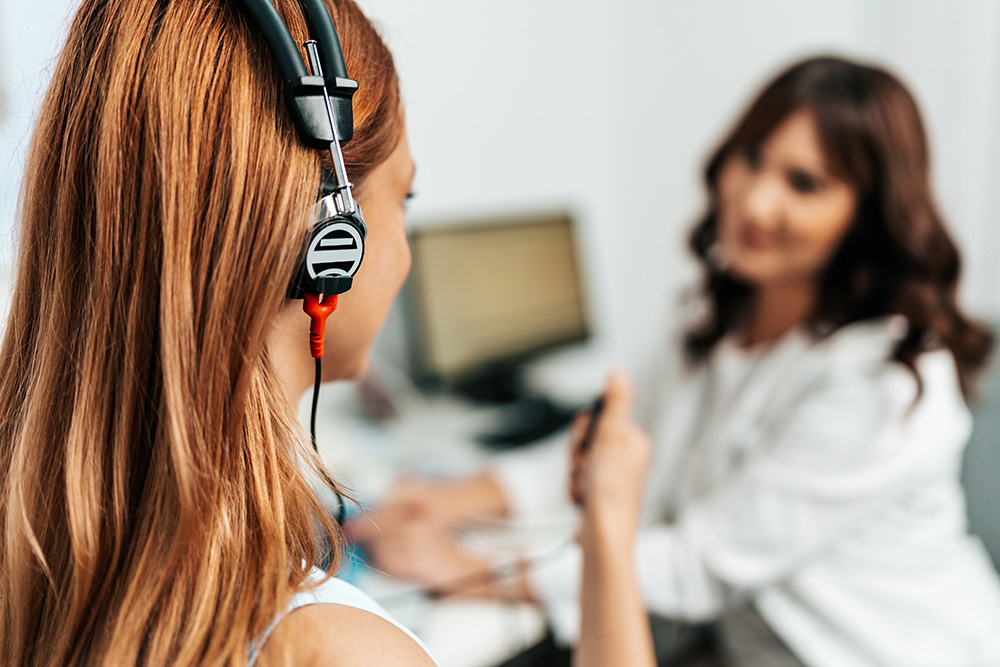
A comprehensive diagnostic hearing evaluation is essential for protecting your ear and brain health and goes well beyond what a “free” online or retail hearing screening can offer. While screenings may provide a brief snapshot of hearing ability or suggest the need for a hearing device, only a diagnostic evaluation performed by a licensed audiologist can fully assess the entire auditory system—from the outer and middle ear to the inner ear and the neural pathways to the brain. This thorough testing allows us to identify medical or neurological conditions and determine the most appropriate treatment, whether that involves hearing devices, medical care, surgery, or implantable technology.

At Aurora Audiology, our goal is to provide clear, compassionate guidance so you can make confident, informed decisions about your hearing health.

Hearing Devices Are Not Just About Volume

Proper hearing device fitting is about far more than simply “turning up the volume” to match a hearing loss. Safely and accurately fitting a device includes:

  • Using real-ear verification, we ensure your devices deliver precise, safe, and comfortable amplification based on your most recent diagnostic audiogram. This process confirms that sound is provided only where it is needed—using carefully compressed target gain in specific frequency regions—while protecting areas of normal hearing from over-amplification that could cause further damage.
  • Providing accurate timing and localization of sound, particularly for understanding speech. When amplification is applied too broadly or incorrectly, speech clarity can actually worsen, even if sounds seem louder. Improperly adjusted frequencies may become uncomfortably loud, leading to frustration and reduced device use, while poorly fit devices can compromise clarity and listening comfort. Real-ear verification, combined with ongoing follow-up care, ensures your hearing devices support natural sound processing, protect your hearing health, and truly improve understanding—not just volume.

Hearing Device Features are Important When Choosing the Right Device for Your Hearing Loss

There are additional features to consider when selecting the right hearing device, as technology plays a key role in overall performance and satisfaction. Many modern hearing aids incorporate artificial intelligence to enhance sound quality by identifying listening environments, automatically adjusting settings to manage competing background noise, and helping reduce the impact of tinnitus. Depending on the specific type and configuration of your hearing loss, these advanced features may be essential for achieving the best possible hearing outcomes.

Additionally, your individual lifestyle and communication needs may benefit from the use of supplemental accessories, such as TV streamers or remote microphones, to improve speech understanding in challenging situations. In some cases, these tools work alongside hearing devices to provide clarity and convenience beyond what hearing aids alone can offer.

Take-Home Message: Hearing Loss Affects Your Overall Health

Untreated hearing loss has been linked not only to dementia and depression, but also to a range of less obvious health consequences that can impact overall well-being. Research shows that individuals with untreated hearing loss may experience up to a 40% increase in healthcare costs over a 10-year period. Encouragingly, evidence also indicates that appropriate treatment can help support cognitive function and reduce symptoms of depression in adults with hearing loss. The key is ensuring that care is properly matched to the type and severity of the hearing loss. This process begins with a comprehensive diagnostic hearing evaluation and continues through ongoing rehabilitation, counseling, and professional support—along with carefully selected and properly fit hearing devices.

Are OTC Hearing Devices Right for You?

Call Us

Talk to an Expert

Call Now