

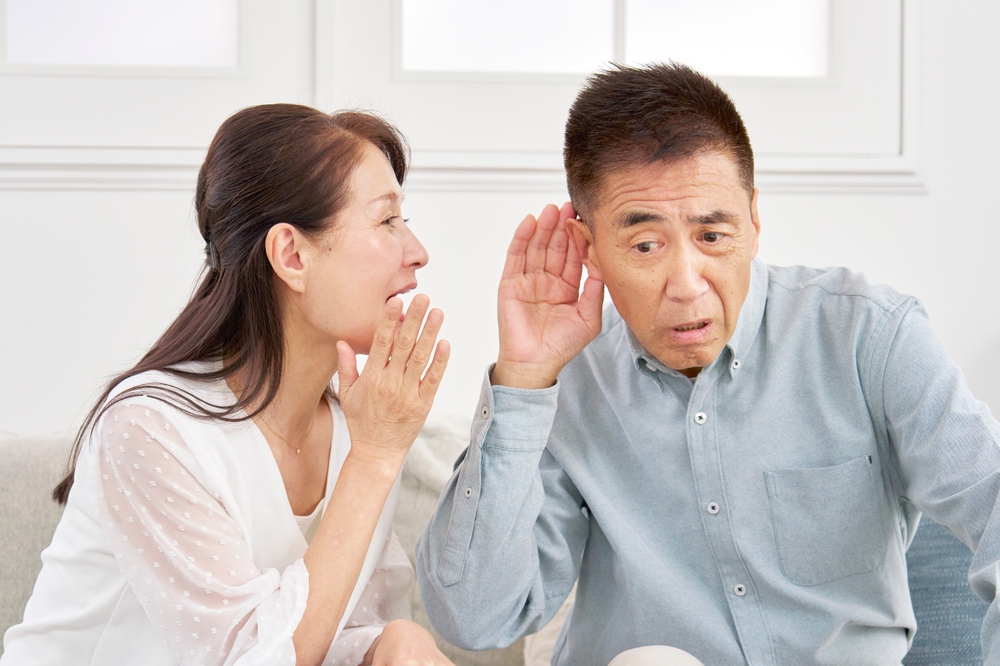
Although hearing loss affects a vast demographic, false narratives continue to obstruct the path to effective ear care. And with hearing loss, getting the right care at the right time is critical. Accepting hearing myths as fact typically results in late-stage intervention and diminished communicative function.
Identifying the facts behind auditory health allows you to navigate clinical options with technical certainty. We will now examine seven prevalent auditory myths and the clinical evidence that refutes them.
The Fallacy of Senior-Only Hearing Loss
While sensory shifts are frequent in seniors, hearing loss remains a cross-generational health concern. Auditory challenges in children and young adults often stem from noise pollution, heredity, or pharmaceutical side effects.
The “aging myth” frequently prevents young and middle-aged adults from pursuing an essential hearing test.
The “I Can Still Hear” Fallacy
Hearing loss doesn’t have to mean complete deafness. In fact, many people with mild or moderate hearing loss can still hear sounds, but they struggle to understand speech clearly. The space between normal hearing and total impairment is populated by various degrees of clinical challenges.
Signs of decline often involve poor speech-in-noise recognition and significant mental strain after talking with others. Such symptoms are early clinical indicators that the auditory processing system is under stress.
3. Myth: Hearing Loss Is Simply an Inconvenience
Untreated hearing loss can affect more than just communication. Research has linked unmanaged hearing loss to social withdrawal, increased stress, cognitive strain, and even a higher risk of depression.
Proactive hearing care is a vital component of maintaining cognitive health and emotional stability.
Myth Four: The Deterioration Fallacy
The fear that hearing aids weaken the natural ear is a persistent but medically unfounded myth.
Hearing aids do not damage your ears. These devices use precision digital processing to target frequencies identified in your hearing test. Consistent use of hearing aids maintains the neural pathways required for clear sound interpretation.
Modern Hearing Aids: Invisible and Powerful
Modern hearing technology has advanced significantly. Modern hardware has reached a peak of efficiency, offering discrete aesthetics with high-fidelity sound. Sleek “Behind-the-Ear” and “In-the-Ear” designs ensure that modern hearing help is virtually undetectable.
These devices provide high-tech solutions like automatic environment sensing and hands-free calling functionality.
Myth: Small Hearing Changes Don’t Warrant Clinical Action
Even a subtle auditory deficit can significantly increase the cognitive load required for daily conversation. Early treatment helps prevent listening fatigue and reduces the strain placed on the brain during conversations.
Maintaining communicative fluency is far easier when you address auditory shifts in their infancy.
Myth: One-Size-Fits-All Hearing Solutions Work for Everyone
While OTC options offer simple volume boosts, they cannot address the unique nuances of your ear health. A professional hearing evaluation ensures that treatment is tailored to your individual needs.
Personalized care makes a significant difference in both comfort and clarity.
Don’t Let Hearing Loss Myths Hold You Back
Any change in hearing can feel scary, which is why many people brush it off and delay seeking care. Accepting myths as truth leads to a longer road to recovery and more significant brain strain. Fortunately, a modern hearing test is a non-invasive, efficient process that yields vital health data.
Taking the first step toward a hearing test is the best way to safeguard your long-term communication. Prompt action protects your ability to engage with the world and maintains your mental well-being.
Our practice is dedicated to your auditory wellness; reach out to us for a comprehensive review. Reach out to our care team now to begin your journey toward better hearing.