

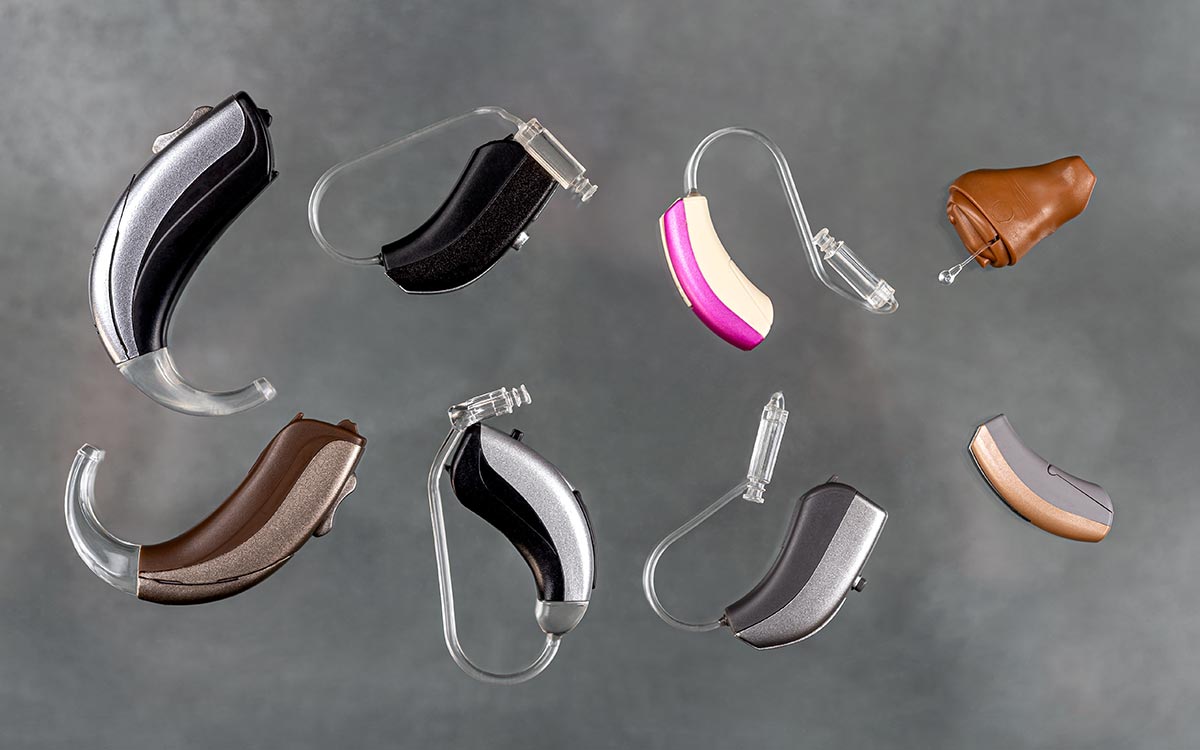
Choosing a hearing aid can feel daunting, especially when today’s devices come in so many styles, sizes, and technology levels. But no matter your needs, there’s a hearing solution for every lifestyle, preference, and degree of hearing loss. The key is simply identifying the one that fits you best.
Understanding the differences among the most common types of hearing aids can help you feel more informed and confident as you explore your options. In this analysis, we look at current styles and the unique characteristics that define them.
The ITC (In-the-Canal) Style Explained
Basic Overview:
These hearing aids are positioned partly inside the canal, making them visible only slightly from the outside.
The Perks:
- Less noticeable than conventional full-size models
- Individualized shaping ensures long-term wearing comfort
- Works effectively for people experiencing mild hearing challenges
Because they provide both discretion and helpful features, ITC models are a top pick for those new to hearing technology.
Ultra-Discreet IIC Devices
What they represent:
IIC models are the most tiny custom-fitted auditory solutions you can choose. This style fits deep in the ear for a completely covert appearance.
Why they are popular:
- The best choice for users prioritizing appearance
- Provides realistic sound because of where the device sits
- Designed for comfort with an incredibly small footprint
IIC devices are primarily targeted at patients with moderate hearing needs who want their technology to remain completely unnoticed.
In-the-Ear (ITE) Hearing Aids
The Fundamentals:
ITE hearing aids fill either the whole outer ear (full-shell) or the lower portion (half-shell). Every unit is specifically personalized to match your ear’s unique shape.
The Advantages:
- Increased size allows for more features and longer battery life
- Easier to manage for those with dexterity challenges
- Capable of providing sufficient power for severe hearing needs while remaining in-the-ear
The all-in-one style of the ITE style makes it an ideal choice for those who dislike behind-the-ear equipment.
BTE (Behind-the-Ear) Basics
Operation:
BTE hearing aids sit securely behind the ear. These models utilize a custom earmold or tubing to funnel sound inside.
Key Strengths:
- Very flexible and durable
- Useful for almost every level of hearing impairment
- The spacious housing enables high-tech extras and built-in power cells
The combination of ease of use and strong audio makes BTE aids an excellent contender for many patients.
Receiver-in-Canal (RIC) Hearing Aids
Component Layout:
The RIC design keeps the main housing on the back of the ear while moving the receiver into the ear canal itself.
Market Interest:
- Known for creating some of the most realistic audio in the industry
- Users value the slim profile and comfortable fit for all-day use
- RIC technology is highly versatile for various different audiogram profiles.
RIC units are extremely common currently because they balance appearance with powerful functionality.
Extended-Wear Hearing Aids
Introduction:
These devices are inserted deep in the ear canal by a hearing professional and can stay in place for several weeks at a time.
Why people choose them:
- Eliminates the requirement to place in or take out the device every day
- Offers an entirely covert solution for hearing health
- Engineered to be worn during everyday activities, including sleeping and exercising
Extended-wear devices are ideal for those who want a “set it and forget it” approach.
Wireless Bluetooth Syncing
Tech Details:
Bluetooth-ready hearing aids enable an electronic bridge between your hearing technology and your smart devices.
Modern Perks:
- Stream calls, music, and audio straight to the hearing aids
- Provides an unobtrusive way to manage your hearing environment from your mobile screen
- Enhanced convenience for modern lifestyles
Bluetooth features are available across many styles, including RIC, BTE, and some ITC models.
Understanding Middle-Ear Implant Systems
Technical Definition:
A surgical method that works by shaking the tiny bones inside the ear to provide amplified audio.
Who they are serving:
- Provides an answer for individuals with anatomy that prevents the use of conventional aids
- Great for users who suffer chronic irritation from standard molds
Middle-ear implants are usually recommended only after a full evaluation by a hearing specialist.
Finding the Hearing Aid That Suits Your Life
Every hearing aid style offers its own advantages, and the right option depends on your level of hearing loss, comfort preferences, lifestyle, and cosmetic considerations. An audiology professional is your best asset for comparing these options and finding a match for your daily routine.
If you’re prepared to investigate the possibilities, schedule a hearing evaluation today. This simple action is the basis for improved hearing and better connections with those around you.
Sources:
https://www.mayoclinic.org/diseases-conditions/hearing-loss/in-depth/hearing-aids/art-
20044116
https://www.hearinglife.com/hearing-aids/types
https://www.nidcd.nih.gov/health/hearing-aids