
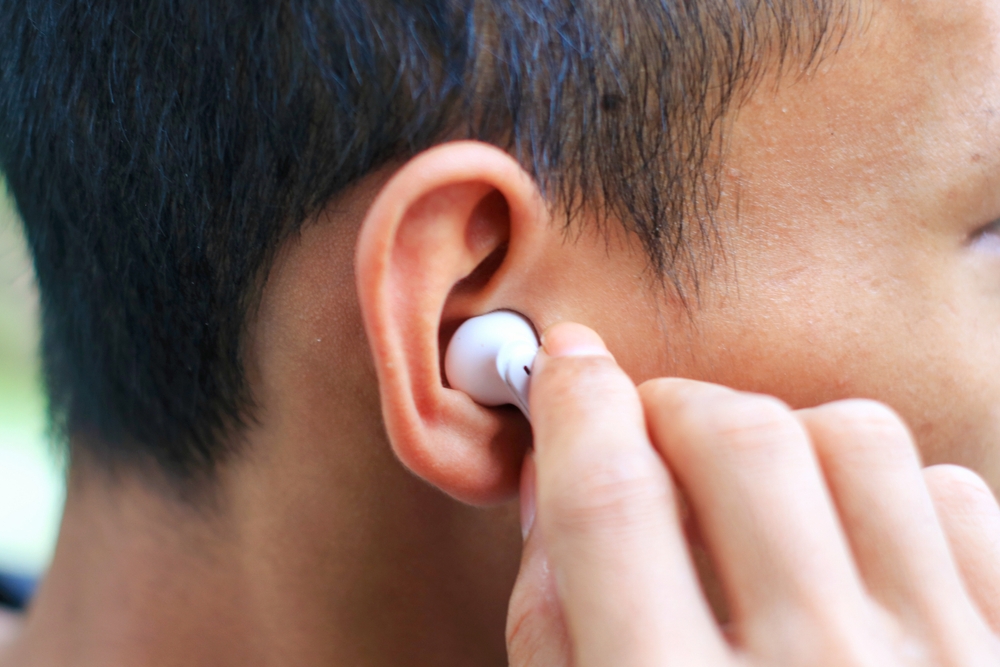
In modern public spaces, the sight of a young person without some form of in-ear audio is rare. Headphones are a bit more cumbersome, but teens still find them a way to escape from their surroundings. Musical enjoyment knows no age limit, though the younger generation has integrated it more deeply into their daily transitions. Given their intimate position near the eardrum, are these devices a legitimate threat to our hearing? The danger is not inherent to the technology but is instead a product of specific usage habits.
The Risks of Prolonged High-Decibel Exposure
Acoustic stimuli can act as a sedative, an emotional balm, or a powerful stimulant depending on the tempo. Depends on the music. Employing in-ear monitors is an effective method for maintaining acoustic privacy in public environments. Most individuals view this as a positive etiquette, especially within the confined spaces of a bus or train.
From an audiological perspective, we must define the specific thresholds for safe volume and exposure duration. In reality, excessive sound pressure is universally hazardous to the delicate structures of the cochlea. When you listen for too long a time and at a very loud volume, you can irreparably damage your hearing. Since hearing shifts occur incrementally, the window for prevention has often closed by the time a patient seeks help.
Identifying the Critical Risks of Personal Audio
Volume is the key danger for noise-induced hearing loss. Nevertheless, the timeframe of the sound exposure is just as critical a factor as the intensity itself.
- According to the NIH, maintaining a threshold below 70 dB ensures safety, even during extended listening periods.
- The rate of auditory trauma increases exponentially as the decibel level rises.
- Audiologists recommend the 60/60 rule: stay below 60% of max volume and limit sessions to one hour.
- Ensuring long-term hearing health requires a proactive reduction in volume and strict limits on listening time.
Red Flags: When to Suspect Hearing Impairment
If you commonly hear muffled sounds, find it difficult to understand conversations in noisy places, have ringing in your ears (tinnitus), and frequently ask people to repeat what they said or to speak louder, it’s time to have a hearing exam with a professional.
Contact our office today if you suspect you may have hearing loss.