

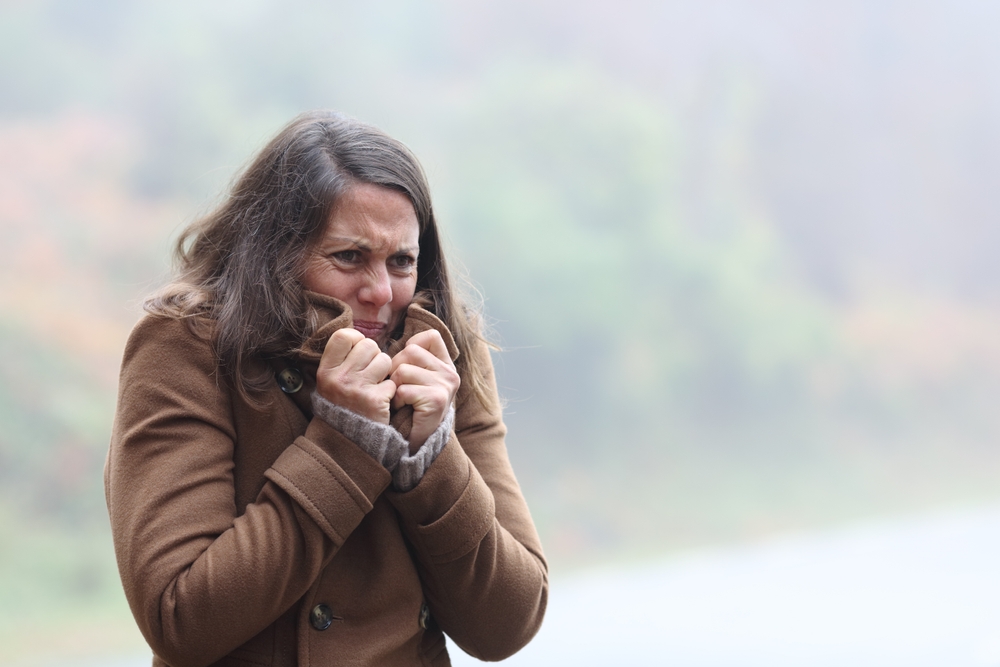
We usually associate hearing changes with aging or noise exposure, but the time of year can also affect how well we hear. Feeling seasonal ear pressure or summer-related canal inflammation is a valid medical observation for many patients. Fluctuations in seasonal hearing loss symptoms typically stem from shifting ecological triggers across the four seasons.
Awareness of seasonal ear impacts allows patients to monitor whether a symptom is a passing phase or a sign of underlying damage.
Why Temperature and Environment Impact Your Hearing
The auditory system maintains an intrinsic link with the upper respiratory tract and systemic immune responses. This connection ensures that weather patterns and seasonal irritants affect the delicate fluid balance within the ear.
While true permanent hearing loss is not caused by weather alone, seasonal factors can temporarily affect your hearing clarity and comfort.
Winter Auditory Challenges: Fluids and Eustachian Dysfunction
Colder months often bring an increase in colds, sinus infections, and flu. Nasal congestion can block the Eustachian tubes, which help regulate pressure in the middle ear. If Eustachian tube dysfunction occurs, patients commonly report:
- Muffled hearing
- Aural pressure or “clogged” sensations
- Mild balance issues
- Popping or pressure sensations
The lack of moisture in winter-heated air often causes nasal passages to swell, impacting the ears. Occasionally, serous effusion develops behind the tympanic membrane, hindering acoustic conduction.
For most people, winter-related seasonal hearing loss symptoms improve once congestion resolves. However, if fluid persists or infections become frequent, a clinical evaluation is essential.
Spring and Summer: Allergies and Swimmer’s Ear
Warmer months bring pollen, grass, and other airborne allergens. Allergic rhinitis often triggers swelling in the Eustachian tubes, mimicking the conductive hearing loss found in winter colds.
Commonly reported summer hearing symptoms include:
- Ear fullness
- Reduced sound sensitivity
- Pressure spikes in the canal
Recreational swimming introduces moisture that can foster Otitis Externa, commonly known as swimmer’s ear. Humid air and sweat contribute to accelerated wax accumulation, which can temporarily obstruct the ear canal.
Air Travel and Seasonal Vacations
Many people travel during summer and winter holidays, and rapid changes in altitude and pressure during flights can temporarily affect hearing. Even though pressure usually balances out, chronic travel-related ear pain suggests the Eustachian tubes are not venting properly.
When Seasonal Symptoms Shouldn’t Be Ignored
Usually, seasonal hearing loss symptoms are non-permanent and disappear once the inflammatory trigger is removed.
Despite the seasonal nature of these symptoms, see a specialist for:
- Abrupt auditory decline in either ear
- Muffled sound that does not improve after two weeks
- Chronic equilibrium disturbances
- Unresolved ear ringing or buzzing
- Painful ear canals or leaking fluid
What appears seasonal may sometimes uncover an unrelated hearing condition that benefits from early treatment.
Protect Your Hearing in Every Season
Controlling allergic triggers, maintaining hydration, and moisture management are key to seasonal ear protection. Annual auditory screenings are vital, particularly if your hearing fluctuates with the seasons.
If seasonal hearing loss symptoms become chronic or painful, seeking an expert assessment is the best course of action. Environmental factors are inevitable, but your ears can remain healthy in any weather with the right clinical support.
Our practice is available for consultations: Call us to protect your hearing today.