

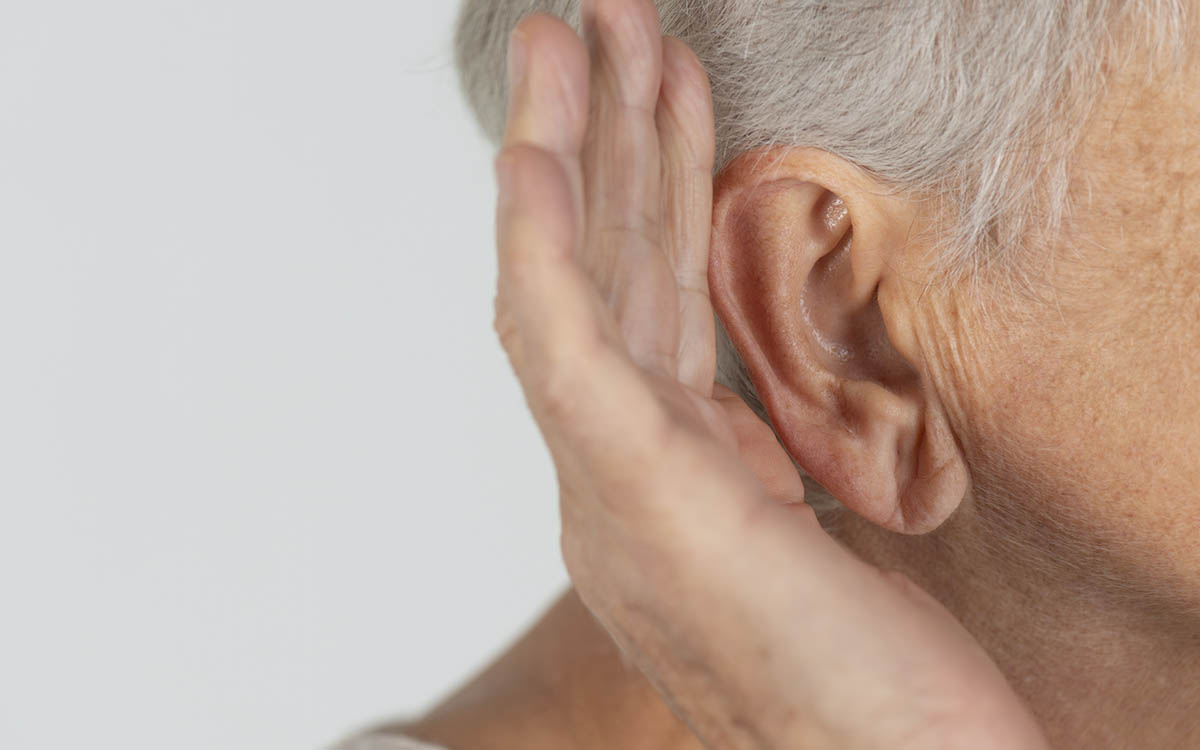
Commonly, clinicians link hearing loss to senescence, however, for millions in the U.S., auditory trauma initiates much earlier in life. Among the most frequent and preventable categories of auditory damage, noise-induced hearing loss frequently develops incrementally, escaping notice until it becomes a permanent condition.
Comprehensive knowledge of how chronic noise exposure affects the ears allows for preventative measures before significant hearing loss occurs.
What Is Acoustic-Related Hearing Loss?
Noise-induced hearing loss occurs when loud sounds damage the delicate structures inside the inner ear. The Centers for Disease Control and Prevention state that, acoustic levels surpassing 85 decibels can induce ear damage following repeated or lengthy exposure. Intense noise sources, specifically firearms or industrial tools, can compromise hearing integrity within a very brief timeframe.
Inside the inner ear are tiny sensory cells called hair cells. These receptors facilitate the conversion of acoustic vibrations into electrical signals decoded by the brain. The inability of hair cells to regenerate after trauma explains why noise-induced hearing loss results in a permanent auditory deficit.
Tracking the Advancement of Auditory Impairment
It is clinically significant that noise-induced hearing loss often manifests through a slow, cumulative process. Initial signs of auditory overexposure may present as:
- Occasional instances of Tinnitus, characterized by ringing or buzzing sounds
- Subjective hearing attenuation or muffling after high-decibel events
- Reduced ability to distinguish vocal communication in loud surroundings
While these preliminary indicators may dissipate, this should not be mistaken for complete physiological recovery. In fact, chronic noise exposure causes ongoing trauma to inner-ear anatomy, steadily eroding hearing precision.
The Hearing Loss Association of America reports that approximately 48 million Americans experience some degree of hearing loss, often without realizing the cause.
Frequent Daily Risks contributing to Ear Injury
Modern society is characterized by high ambient noise, which frequently leads to a lack of awareness regarding sound intensity. Consequently, the frequency of hazardous noise exposure is often underestimated.
Typical noise-generating sources consist of:
- Professional music performances and concert environments
- Personal audio devices utilized at excessive decibel levels
- Gas-powered lawn tools, industrial machinery, and motorcycles
- Occupational noise exposure within the construction or manufacturing sectors
Because these sounds are often part of daily life, damage can accumulate without clear warning signs.
Why Preventive Efforts Are So Important
A distinguishing factor of noise-induced hearing loss is the lack of clinical reversal options. The condition is, however, susceptible to effective preventative strategies. Adopting straightforward preventative behaviors can markedly decrease the likelihood of injury, including:
- Employing earplugs or specialized earmuffs during high-decibel exposure
- Lowering headphone volume and following the “60/60 rule”
- Taking listening breaks to give your ears time to recover
- Ensuring consistent Audiology check-ups for those in high-noise environments
Indicators to Schedule Clinical Audiology Services
The presence of chronic Tinnitus, impaired speech recognition, or altered auditory clarity warrants a professional Audiology consultation. Timely professional assessment facilitates the creation of a management plan to maintain long-term auditory health.
Prioritizing auditory health now ensures the preservation of hearing clarity for the future. Environmental sound may be constant, but the development of hearing loss is not inevitable. Contact us to coordinate a comprehensive evaluation and ensure your auditory system is functioning at its peak.