

Muffled hearing can affect every facet of your life, leaving you feeling confused and isolated from the world around you. It is typical to assume that muted sound signifies long-term hearing impairment, but the issue is often just a resolvable earwax blockage.
Differentiating between a wax impaction and actual hearing impairment is crucial for identifying if you need a simple cleaning or a formal audiological exam. If you’re experiencing dull hearing, don’t panic. A professional evaluation will provide the definitive answer, but the following guide details the primary variations between blockage-based issues and permanent loss.
How to Identify a Cerumen Impaction
Earwax (cerumen) is a natural, protective substance that helps capture dirt and debris and keeps the auditory canal healthy. The trouble starts when this material collects to the point of a tangible obstruction.
Common signs of earwax buildup include:
- Gradual or abrupt muffled hearing
- The perception that there is a physical plug in the canal
- Canal irritation or slight pain
- Ringing in the ear (ringing)
- Moments of sharper hearing following a yawn or eating
A hallmark of wax-induced sound fluctuations is asymmetry, typically affecting one side more than the other. Fortunately, clearing the blockage generally resolves the signs immediately.
How Auditory Loss Usually Manifests
Hearing loss, particularly age-related or trauma-based hearing loss, has a tendency to progress gradually and doesn’t resolve when the canal is cleared.
Symptoms of true hearing loss may feature:
- Issues with speech intelligibility in busy or loud locations
- A persistent requirement for others to articulate more clearly or loudly
- Turning up the TV or smartphone volume louder than others prefer
- Trouble hearing high-frequency sounds
- Hearing equally reduced on both sides
Crucially, auditory loss is an intelligibility concern that rarely includes the sense of manual pressure found with wax.
At-a-Glance: Cerumen vs. Auditory Decline
While evaluating cerumen impaction vs. auditory impairment, a few indicators can help guide you in the right direction:
- Onset: Cerumen blockages often come on abruptly; auditory impairment develops gradually
- Resolution: Wax-related hearing changes are usually temporary; hearing loss is frequently permanent
- Symptoms: Fullness and discomfort suggest wax; speech clarity issues indicate loss
- Sides: One-sided dull sound points to cerumen, while both sides point to impairment
The Risks of DIY Cerumen Removal
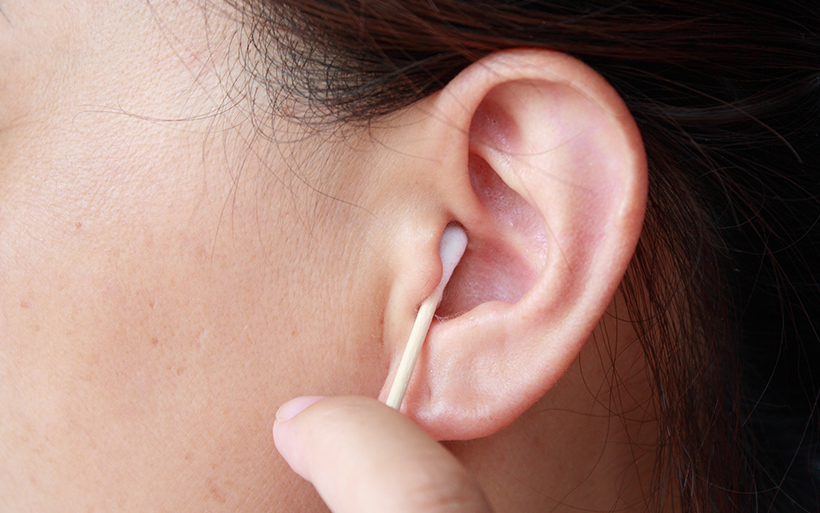
When hearing feels muffled, the instinctive urge is to use a cotton bud, but this is often a dangerous move. Using external objects typically pushes the plug deeper into the canal, heightening the danger of injury.
Health experts caution that putting anything smaller than your elbow in your ear can result in eardrum damage and severe clogging.
On the other hand, assuming a concern is merely wax when it is truly auditory impairment can hinder you from getting the assistance you need to remain connected.
What to Anticipate During a Formal Appointment
A brief clinical check-up is the primary way to verify if cerumen is actually the cause of your muffled hearing.
When wax is the issue, in-office flushing or manual removal provides immediate relief.
Should the auditory canal be clear but auditory struggles persist, a hearing test can evaluate if hearing loss is identifiable and identify its type and severity.
The National Institute on Deafness and Other Communication Disorders (NIDCD) recommends immediate evaluation anytime shifts in hearing interfere with your everyday life.
Closing Thoughts on Cerumen and Hearing Wellness
Muted auditory quality is hardly a certain marker of long-term loss.
Very often, the issue is merely an accumulation of wax that can be easily resolved.
Seeking expert care ensures you find the exact source and the right solution for your auditory requirements.
Ultimately, an expert exam is the single reliable way to distinguish between a fleeting blockage and a lasting change.
Addressing the issue now stops the anxiety of the uncertainty and places you on the track to improved hearing.
Rather than guessing what is amiss, schedule a quick check-up with our audiologists to uncover the truth.